
Behind the Bottom Line: The Club That Boosted Springsteen, Patti Smith, and More
‘Positively Fourth and Mercer’ shines a light on a seminal NYC music hub
A 21-year-old Prince played his first NYC show there, strutting the smallish stage clad only in leopard bikini bottoms. A rampaging Lou Reed recorded a live album there, indulging in so much provocative ranting that the appropriately titled Take No Prisoners could almost be mistaken for a spoken-word album. Mick Jagger blocked the kitchen entrance by dancing, until a waitress flung an F-bomb at him. Bill Graham hailed it as the straight-up successor to his fabled Fillmore East.
Positively Fourth and Mercer
The Inside Story of New York’s Iconic Music Club, The Bottom Line
By Allan Pepper and Billy Altman
Backbeat Books; 336 pages
Between 1974 and 2004, Greenwich Village’s live music institution The Bottom Line made careers, set trends, and pumped fresh blood into the New York music scene. Veteran music journo and former Creem editor Billy Altman aids co-founder Allan Pepper in presenting the club’s oral history in Positively Fourth and Mercer.
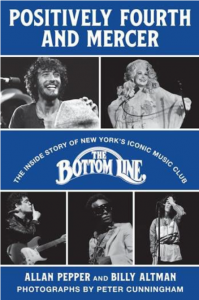
Through hordes of interviews old and new, PF&M gets the lowdown from music biz titans, passing patrons, and just about everybody in between, examining the club’s backstory, long and influential run, and lasting impact. The book’s first section follows Pepper and his childhood friend Stanley Snadowsky’s odyssey through their hometown’s music world, as they host their own nights at groundbreaking venues like The Village Gate and Folk City before finally opening up their own spot. Amid all the history are some hilarious moments, like a Musician’s Union employee struggling to exact dues from Sun Ra, who claimed exemption as a citizen of Saturn.
We get a worm’s-eye view of The Bottom Line’s construction and the way Pepper and Snadowsky prioritized the patrons’ experience, with a top-tier sound system, expertly engineered acoustics, and ideal sightlines in the 400-plus-seat club. With equal measures of business savvy, musical passion, and old-school New York moxie — not to mention a fair share of luck — they wound up making memories that lasted a lifetime for untold numbers of people. Learning about their difficulties with local Hell’s Angels, attitude-heavy biz types, and unruly patrons only deepens appreciation for their accomplishments.
Naturally, there’s significant attention paid to the legendary, career-boosting 1975 stints by Bruce Springsteen and Patti Smith. Interviews with everyone from the musicians to the waitstaff help paint a vivid picture of what it felt like to witness future rock heroes catching fire in such intimate environs.
But anecdotes come fast and furious about superstars — Dolly Parton is as unpretentiously delightful as you’d hope; Miles Davis operates in his own time zone; a collapsed post-performance Meat Loaf receives oxygen backstage — and cult artists alike. As the narrative edges into the 1980s, the club’s role in exposing a new generation of singer-songwriters — Suzanne Vega, Shawn Colvin, and others — comes into focus through accounts of The Bottom Line’s relationship with local hero Jack Hardy and his Fast Folk collective.
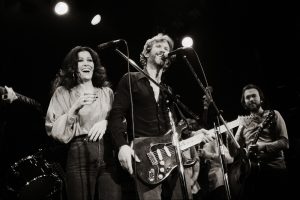
The Bottom Line operated with a pan-genre agenda. In its first few months alone, the club hosted Dr. John, Barry Manilow, Ashford & Simpson, Kansas, jazz giants Yusef Lateef and Sonny Stitt, bluesmen John Hammond Jr. and Mike Bloomfield, renowned troubadours Al Stewart and Don McLean, NRBQ, Grover Washington Jr., and on and on. Even as radio formats tightened, The Bottom Line kept things loose — a testament to the rigorously maintained vision of Snadowsky and Pepper.
You get to know both men well throughout PF&M, and you trust what you’re told because there’s not a hint of hagiography. Pepper and Altman repeatedly emphasize the Snadowsky-Pepper belief that being respected rather than loved was the best business model. Instead of showering music business machers with free drinks and endless tabs, they went the other way, scrimping on everything from artists’ riders — Snadowsky relished crossing out nearly every item — to talent fees and guest lists. Applying that frugality to stars and unknowns alike is what made the model work.

Cost-cutting aside, The Bottom Line was deeply committed to community building. We learn about Pepper and Snadowsky’s fostering of decades-long relationships with local artists, including not only the Fast Folk crew but New York treasures like David Johansen, whose every incarnation — from the New York Dolls to Buster Poindexter and beyond — appeared at the club.
In 2004, after 30 years, the venue fell victim to the scariest of New York bogeymen: big real estate. When their lease came up for renewal, they owed a daunting amount in back rent. Even after supporters like Springsteen and Sirius FM offered to help cover the shortfall, landlords NYU appeared determined to push The Bottom Line out.
At its core, Positively Fourth and Mercer is about the music, but it’s also a soulful slice of New York life. It traces the journey of Brooklyn boys Pepper and Snadowsky while capturing the experiences of all those whose lives were shaped by what happened at The Bottom Line. It’s a hefty tale. Altman does a yeoman’s job framing it, while octogenarian Pepper’s trove of vividly detailed memories provides a rich loam of living history. Old habitués and newcomers alike will have a blast diving in.
You May Also Like
-
 September 25, 2019
 -
 January 15, 2024
 -
 October 24, 2025

Only $44 for the hardcover and $32 for Kindle version. They’ll be flying off the shelves.