
With ‘Ultimate Traveler’ Another YouTube Creator Moves Into Streaming
Drew Binsky brings an internet director’s curiosity to global storytelling
Scrolling through the endless content options of the streamers, I landed on Drew Binsky’s Ultimate Traveler. Not gonna lie, I was ready to dump on it. So ready. Generally, whenever I see overhyped, “this guy is so good” videos, they’re usually banal. And I question what popular culture thinks is cool, once again. But after watching a few episodes of the travelogue, I couldn’t. Binsky does one thing that I love: he tells the stories that need to be seen and heard. Instead of another episode of “What to do in Paris,” a city that’s been broadcast in some form for centuries, Binsky is going to Ukraine during war, getting tattooed by a woman who’s 100 years old in the Philippines. The beige American influencer, he is not.
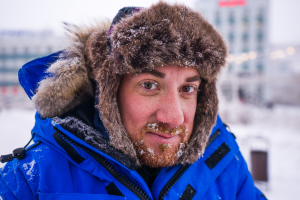 Binsky is likable. He seems like a dude that locals want to talk to. His reactions and interest seems intentional, that he is out in these remote places, looking for stories and looking to dive into the culture of the world, which I deeply appreciate as a jealous viewer who wants to use their passport more.
The run down for those not chronically online: You may never have heard of him, but Binsky is an American travel creator who built a huge audience by visiting every country in the world and turning those trips into short-form travel films focused on unusual places and everyday people. His YouTube channel has more than 7 million subcribers, with roughly 22 million followers across platforms.
In September, Netflix added 30 of Binsky’s existing travel documentaries under the label of Drew Binsky: Ultimate Traveler. The deal is interesting because it’s not an exclusive Netflix original — new Binsky episodes will drop on Netflix at the same time they appear on YouTube and his other platforms. For Binsky, it’s a win-win. The dude gets to get streamed on Netflix, which only expands his audience. He essentially gave up nothing and made no concessions. Pretty awesome.
What makes the Netflix deal especially compelling is that the streamer isn’t trying to reinvent Binsky. It’s importing something that already works on the internet and putting it beside traditional television. Look at how Backrooms and Obsession worked out – the old models of Hollywood are bending to how media is created: both of those directors came from the internet and made the two biggest horror films of 2026 with no bloated budget. This seems to be the direction many social media creators are heading: still making content, but now the screen is widening thanks to streamers like Netflix and HBO Max buying social content to run on their platforms.
 This isn’t happening in a vacuum. YouTube accounted for a record 14.2 % of all television viewing in July 2026, according to Nielsen, making the creator-driven platform America’s largest media distributor by viewing time. Deloitte, meanwhile, found 56 % of Gen Z and 43 percent of millennials consider social content more relevant than traditional television and movies. Binsky joins a growing roster of internet-native talent making the jump, including Mark Rober, Rhett & Link, the Stokes Twins, Jay Shetty and Hot Ones all of these folks have signed deals with HBO Max, Netflix, etc — less a creator exodus than Hollywood realizing the audience is already there.
Ultimate Traveler still feels creator-native: fast, curious, occasionally grimy and more interested in access than polish. Binsky goes somewhere because the story is strange, difficult or deeply human, not because a tourism board handed him a list of landmarks. If you’re willing to go into Ukraine, looking for stories with the people on the ground — literally living in a war zone — you learn a lot about humanity. I think it’s important for people to experience these stories, that even though we’re all locked in the doomscroll, there is still hope: there are still people smiling in spite of living somewhere where there is no McDonalds or even no electricity and Binsky is finding those places around the world.
There’s plenty of spectacle: Binsky gets tattooed by Whang-Od, a 107-year-old Filipino artist; stays up with a Vietnamese man who says he hasn’t slept since 1962; spends time with the world’s shortest man in Iran; and visits the Hadza in East Africa, one of the world’s last hunter-gatherer communities. But the best episodes understand something that a lot of travel television forgets: travel isn’t really rooted in places. It’s people. Put a camera in front of somebody whose life most Americans will never encounter, shut up, and let them explain what being human looks like from where they stand. Binsky is adept at that.
In an era when seemingly every travel influencer on Insta is selling the same fucking sunset, hotel room, and espresso, that curiosity about the culture and willingness to listen to the people feels radical.
You May Also Like
-

-
 September 28, 2023
 -
 November 9, 2023
